We recently announced our first biotech investment at USV in a company called Humane Genomics. They engineer viruses that can be made to selectively infect different kinds of cells. To start, they’re focused on viruses that kill cancer cells (“oncolytic viruses”).
The first oncolytic viral therapy to be approved in the US was in 2015. There was a lot of excitement about the field around that time that has largely cooled off. Companies have found that there are difficult trade-offs in developing oncolytic viruses. The most studied viruses tend to be the ones that have been most common in humans. Therapies based on these viruses therefore struggle to kill cancer cells because our immune systems are more likely to recognize and more quickly neutralize them. Furthermore, RNA viruses, which tend to be deadlier in the cells they infect, have proven difficult to engineer because RNA is inherently unstable and the tools to edit it have only recently been developed. And oncolytic viral therapies are still viruses and so have to avoid off-target infections to be as safe as possible.
In response to these challenges, Humane Genomics has designed an oncolytic virus to be safe, effective, and easier to work with. They’ve built a platform that leverages the latest synthetic biology tools to rapidly design viruses in silico and synthesize and characterize it in vitro, improving accuracy while also reducing the cost of manufacturing. Using this platform, they’ve developed a synthetic version of VSV1, an RNA virus with low seroprevalence, that they can engineer for different purposes.
To improve the safety of this template virus, they edit it to only infect certain cells and to only reproduce itself in certain environments. They do this by adapting the part of the virus responsible for binding to cells, called the glycoprotein, to target a marker expressed by the desired kind of cancer cell. To add further safety protections, they also add a “switch” (called an “aptazyme”) to the virus that interrupts its replication unless a second marker of the specified cancer cell is present. This creates a “two-factor authentication” for the virus’s replication. The outcome of this work is a virus that should be selective, effective, and re-programmable.
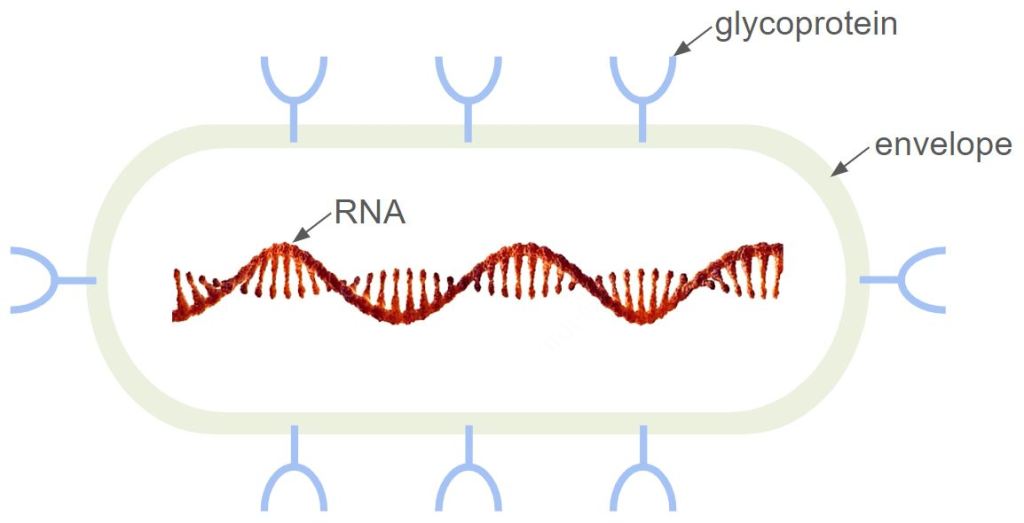
What’s especially exciting about what they’ve done is that their virus can be retargeted to other kinds of cancer (and other cell types beyond cancer). All they have to do is retarget the glycoproteins and aptazymes so the virus infects and reproduces in a different kind of cell. This retargetability of their template virus then makes it much simpler, faster, and cheaper for Humane Genomics to make new drugs.
In his post, Albert hints at why we’re so interested in biology: like other parts of the physical world (eg energy), biology is an increasingly programmable discipline. We’ll have more to say on this topic soon– stay tuned!
 Matthew Mandel
Leave a comment