I had a friend in college who was a competitive Super Smash Bros Melee player. Though I’d played Smash before, I realized that the casual play I was used to is a different game altogether. It turns out there are many ways to exploit the game’s relatively simple physics to make your character move faster and to generally exert finer control over them. Because of the gains these exploits offer, competitive players obsess over optimizing against the game’s mechanics. Eg:
Weirdly enough, these exploits were not intentionally added to the game, and when they were discovered, the developers thought they were insignificant.
Wavedashing was first noticed during the development of Melee by Masahiro Sakurai; according to an interview with the magazine Nintendo Power, he elected to not remove the tactic from the game, as he did not believe it would affect play to a significant degree.
ssbwiki
Although now considered an essential technique for Melee gameplay, wavedashing was initially a controversial discovery. Despite increasing the number of options in Melee, numerous debates occurred over wavedashing’s legitimacy as a tactic. The majority of the debate focused on whether wavedashing was an intentional feature of the game or a glitch… After Sakurai’s confirmation of noticing wavedashing during the development of Melee, the debates slowly died down, with the majority agreeing that wavedashing was an exploit of Melee‘s physics, not a glitch or intentional technique.
ssbwiki
Furthermore, in light of the exploits and the different functionality each playable character offers, competitive Smash players have developed hierarchies of character viability (in a way not dissimilar to openings in chess). Although players can use some deductive/a priori theory to reason about which characters will be more or less viable in competitive situations, the understood optimal strategy has evolved based on empirical discovery of new character dynamics and contingent facts about the strengths and weaknesses of top players at a given time. For example, I liked playing Jigglypuff, who had only recently come to be considered a top tier character:
Jigglypuff was initially a lower middle tier character, being ranked 17th on the first tier list… With the advent of Mango, who has shown how dominant Jigglypuff was in the air, and how powerful its pressure game and combo abilities were, saw Jigglypuff jump to high tier at 6th tied with Captain Falcon. Then with the continued dominance of Melee tournaments with Jigglypuff from Mango and the rise of another nationally dominant Jigglypuff player in Hungrybox, Jigglypuff jumped up to top tier in the 10th tier list, being ranked 3rd under Fox and Falco. Currently, Jigglypuff is ranked 3rd in the tier list.
ssbm
The game developers at Nintendo thought they were making the game I was used to casually playing growing up and instead they made this:
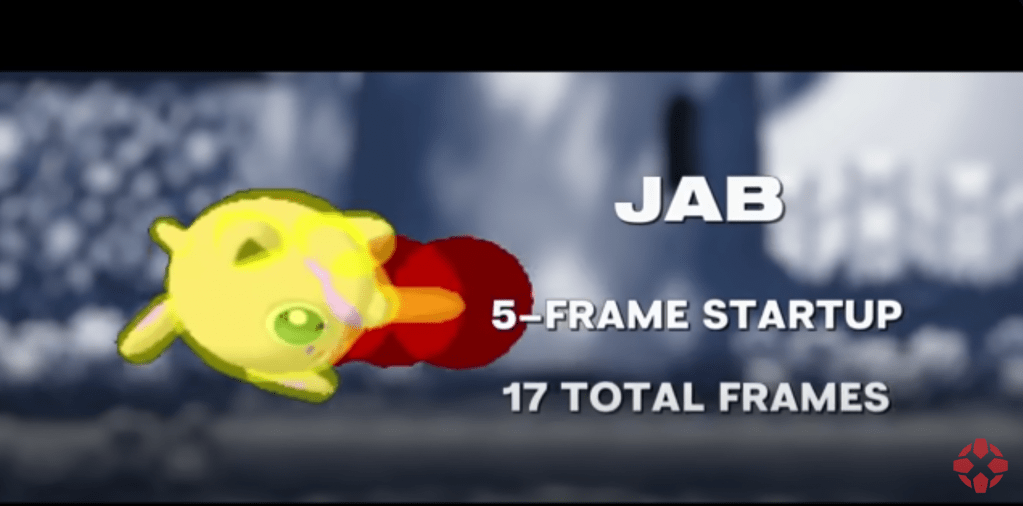
The most amazing thing to me about all of this is how unintended and unpredictable it was. What are now the defining features of the game emerged over time from the play of a community of attentive players looking to get an edge. Although they were not balanced or coordinated in anyway, the exploits that community discovered led to the development of a fun, competitive, and, frankly, fascinating (meta)game. Which makes me wonder: are there good systematic ways to think about the fractal optimization of systems like Super Smash Bros?
 Matthew Mandel
Leave a comment